
Philanthropy has the power to do more than address immediate needs. When approached strategically, it can help strengthen institutions, influence communities, support economic development, and create value that extends across generations.
But creating that kind of impact requires more than financial resources.
It requires an understanding of the systems surrounding those resources.
Governance, leadership, incentives, economic structures, institutional capacity, and long-term planning all play a role in determining whether an initiative produces temporary results or creates a foundation for lasting impact.
This is the space where strategic philanthropy and institutional thinking intersect.
Looking Beyond the Contribution
The traditional image of philanthropy often begins and ends with the act of giving.
A donor identifies a cause, provides resources, and expects those resources to support a desired outcome. While this model can address important needs, it does not always examine the larger structure surrounding the contribution.
Strategic philanthropy asks a broader set of questions.
What is the organization designed to accomplish? How is it governed? What incentives influence its decisions? How effectively are resources connected to the mission? What structures are necessary to sustain the impact?
These questions move the conversation beyond charitable activity and toward institutional effectiveness.
The goal is not simply to determine where capital should go. It is to understand how capital interacts with people, organizations, systems, and long-term objectives.
Why Structural Clarity Matters
High-performing individuals often spend years developing expertise in their chosen fields. They learn how to lead teams, build businesses, manage organizations, and create value.
However, the systems surrounding those accomplishments can be considerably more complex.
An organization's performance may depend on governance structures that are not immediately visible. A philanthropic initiative may be influenced by economic conditions, institutional relationships, or incentives that extend beyond the original mission.
Without structural clarity, leaders may focus heavily on individual decisions while overlooking the architecture connecting those decisions.
Understanding that architecture creates a different way of thinking.
It encourages leaders to examine not only what is happening, but why it is happening—and what structures may continue influencing the outcome in the future.
The Role of Institutional Thinking
Institutional thinking means looking beyond individual actions and considering the systems that make those actions possible.
For a founder, this could mean thinking beyond building a successful company and considering how to create an organization that can endure.
For a philanthropic leader, it could mean looking beyond a single contribution and examining how an institution can continue delivering value.
For a family, it may mean considering how governance, education, and decision-making can support a long-term legacy.
These perspectives require a shift from short-term activity toward long-term architecture.
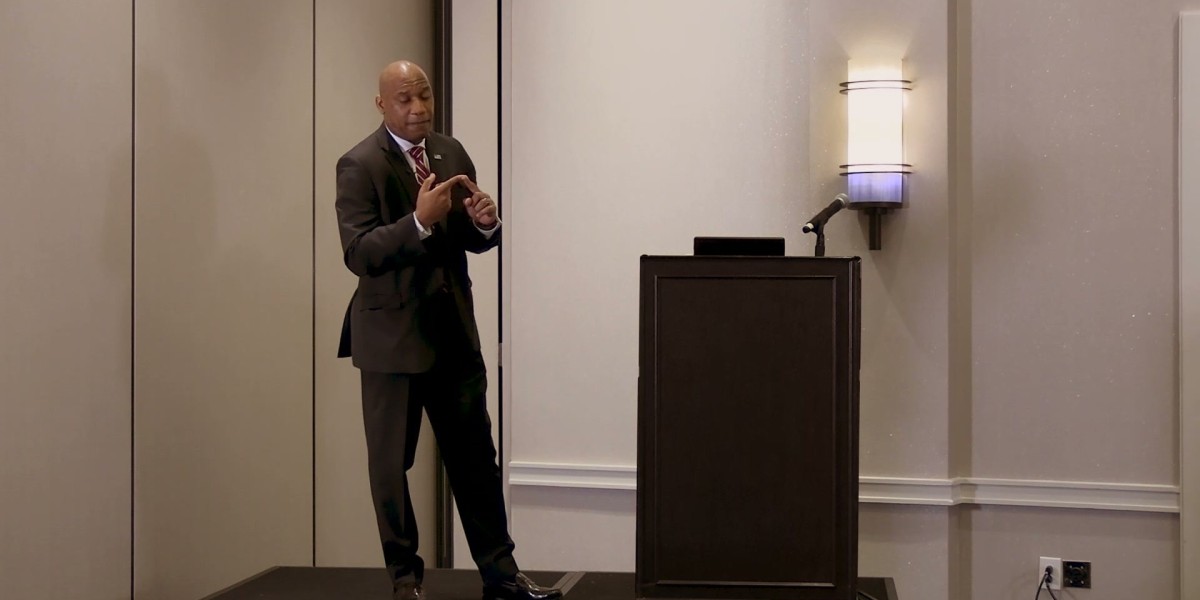
Antomius Wise brings this perspective to executive education through his work as a strategic philanthropy educator, former NFL athlete, former U.S. Secret Service Special Agent, MBA, and founder of WPSM.org.
His work focuses on helping leaders examine the structural forces that influence outcomes.
Strategic Philanthropy for High-Capacity Leaders
Strategic philanthropy is particularly relevant to leaders whose decisions carry significant financial, institutional, or community consequences.
For wealth advisors and trust networks, educational conversations can provide additional frameworks for discussing governance, philanthropy, and long-term objectives with clients.
For executive leadership teams, the focus can be on governance discipline, incentive alignment, organizational structure, and strategic decision-making.
For physicians and high-income professionals, structural education can provide another perspective on managing significant responsibilities and long-term impact.
For entrepreneurs and founders, strategic philanthropy can become part of a broader conversation about institutional development and legacy.
For family offices, these discussions can connect philanthropy with governance, multi-generational planning, and institutional continuity.
For civic and philanthropic leaders, strategic thinking can help connect mission, capital, and long-term community objectives.
Philanthropy as an Educational Discipline
Effective philanthropy involves decisions that can have consequences far beyond the initial transaction.
That is why education matters.
Rather than presenting philanthropy solely as a financial activity, strategic philanthropy education examines the broader systems that influence impact.
Topics can include governance discipline, economic systems, institutional thinking, incentive alignment, compliant structures, family legacy, and long-term impact.
The purpose is to help leaders ask better questions before making significant decisions.
Sometimes the most valuable outcome of an educational conversation is not an immediate action. It is a clearer understanding of the system in which that action will take place.
Private Executive Briefings
Some conversations require a different environment.
Private executive briefings provide leaders with an opportunity to explore complex questions away from the pressure of a public stage.
For executive teams, wealth-advisor networks, philanthropic leaders, founders, and family offices, these conversations can examine the relationship between capital, governance, economic systems, and institutional objectives.
The setting is designed for thoughtful exploration rather than quick conclusions.
It allows participants to step back from day-to-day responsibilities and examine the larger structures influencing their decisions.
Designing for Long-Term Impact
The most significant question in strategic philanthropy may not be how much can be given today.
It may be what can be built for tomorrow.
A strong institution can continue serving its mission. A thoughtful governance structure can support continuity. An educational framework can influence future decision-makers. A well-designed philanthropic initiative can create effects that extend beyond its original purpose.
Long-term impact therefore depends on more than resources.
It depends on the systems surrounding those resources.
This is why strategic philanthropy requires a combination of generosity, education, governance, and institutional thinking.
Making the Invisible Visible
Some of the most influential forces shaping outcomes are difficult to see.
They exist in governance structures, incentives, institutional relationships, economic systems, and decision-making frameworks.
Strategic philanthropy brings these elements into view.
For leaders concerned with impact, legacy, and institutional value, understanding these structures can create a more complete picture of what their resources are capable of accomplishing.
Antomius Wise's work is centered on that educational mission: helping leaders understand the architecture behind outcomes and approach philanthropy through a broader institutional lens.
Because lasting impact is not simply about what we give.
It is about what we build, how we structure it, how we govern it, and whether it can continue creating value long after the original decision has been made.